Cracking Your Knuckles: The Science Behind the Pop and Why It’s Not Damaging Your Bones

Ask Aria
Have questions? Ask the Engine Blog AI Assistant in real-time.
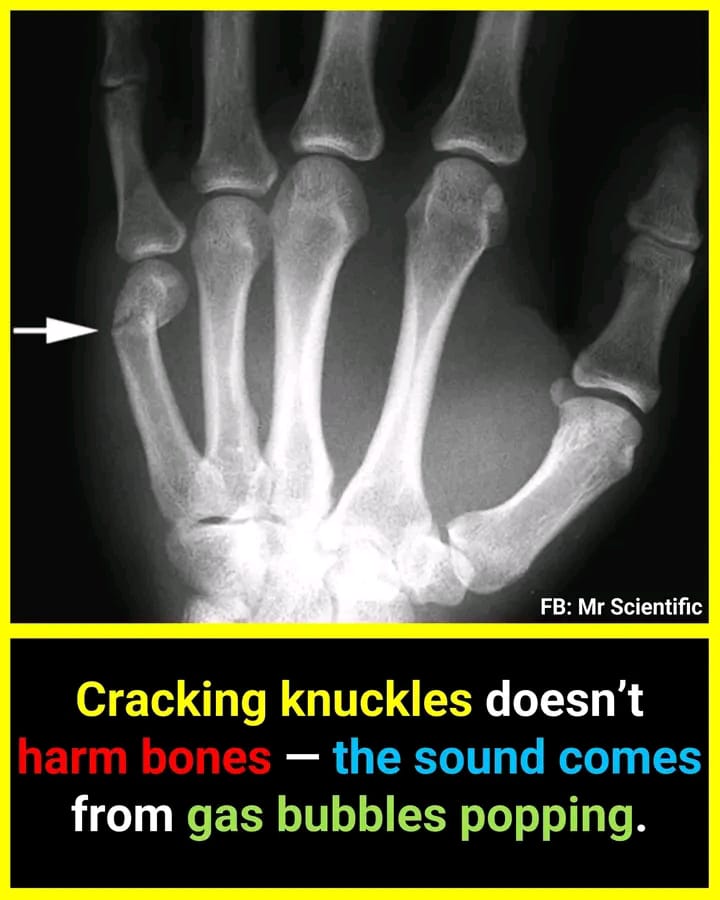
If you’ve ever cracked your knuckles and gotten that look from someone nearby, you’re not alone. For years, people have warned that popping your fingers will lead to arthritis, weak joints, or damaged bones. But science tells a much cooler story. That sharp “pop” you hear isn’t your bones grinding together it’s actually a tiny science experiment happening inside your joints.
Inside every joint is a slippery liquid called synovial fluid. This fluid keeps your joints moving smoothly, like oil in an engine. When you stretch or bend your fingers, the space inside the joint suddenly increases. That quick change causes dissolved gases (mostly nitrogen) to form bubbles. When those bubbles collapse, they create the popping sound you hear. So, when you crack your knuckles, you’re not breaking bones you’re popping microscopic gas bubbles.
Surprisingly, studies have shown that habitual knuckle cracking does not cause arthritis. One famous researcher even cracked the knuckles on only one hand for over 50 years and compared both hands. The result? No difference in arthritis at all. What people sometimes notice instead is temporary swelling or reduced grip strength if they crack excessively, but nothing close to the damage myths suggest.
That said, moderation still matters. If you yank your fingers too hard or too often, you can irritate ligaments and soft tissues around the joint. Think of it like stretching: it’s healthy, but forcing it can cause discomfort. Gentle movement is fine aggressive cracking all day long isn’t necessary.
So next time someone tells you cracking your knuckles will “spoil your bones,” you can smile and drop a little science on them. That pop is just gas bubbles doing their thing a tiny, harmless sound from the amazing mechanics inside your body.