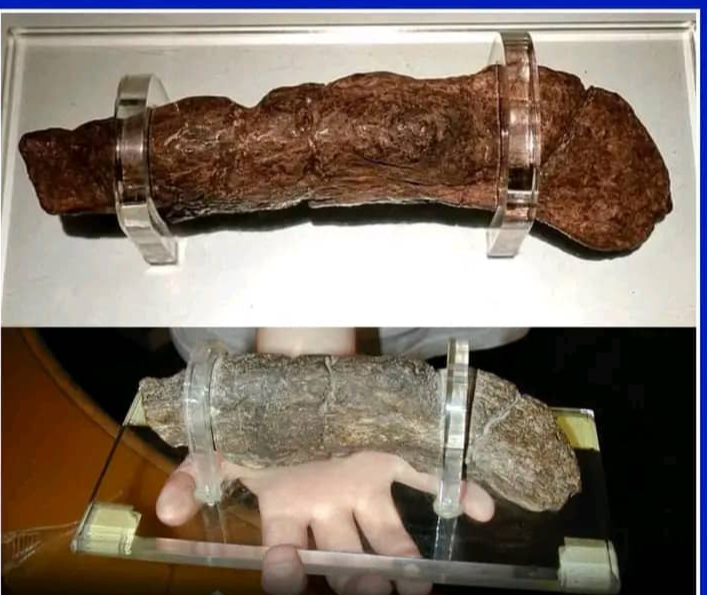
The Viking Artifact Nobody Expected: A 1,000-Year-Old Discovery

Ask Aria
Have questions? Ask the Engine Blog AI Assistant in real-time.
In the world of archaeology, discoveries usually bring to mind weapons, jewelry, or ancient buildings. But in 1972, excavations in York, England revealed something far more unexpected: a remarkably well-preserved piece of human feces dating back to the Viking Age.
Measuring about 20 centimeters long, the find is believed to have belonged to a Viking who lived in the city over 1,000 years ago. Despite its unusual nature, the artifact has provided scientists with rare insight into Viking daily life. Analysis showed a diet rich in meat and bread, along with evidence of intestinal parasites, offering clues about health and hygiene during the period.
Today, the discovery is often cited as a reminder that history isn’t just shaped by great battles and rulers—it’s also preserved in the most ordinary (and sometimes embarrassing) aspects of human life. Strange as it may be, this Viking relic remains one of the most informative archaeological finds ever uncovered.